How to choose your Ideal Desert Camp, For an unforgettable Night.
If you’re thinking of booking a desert camp, read this before. It could save you money and a disappointing night.
I’ve spent over 8 years working in tourism in Morocco, and in that time I’ve stayed in more than 50 desert camps—from the most basic, wallet-friendly options to ultra-luxury desert camps. I’ve seen what makes a night in the Sahara unforgettable and what makes it a Nightmare. I’m here to share what I’ve learned so you can choose one that’s right for you.
At the end, I’ll share my own recommendation—the camp I’d choose for myself and i choose for my clients with my eyes closed after years of exploring, With A Discounted Price.
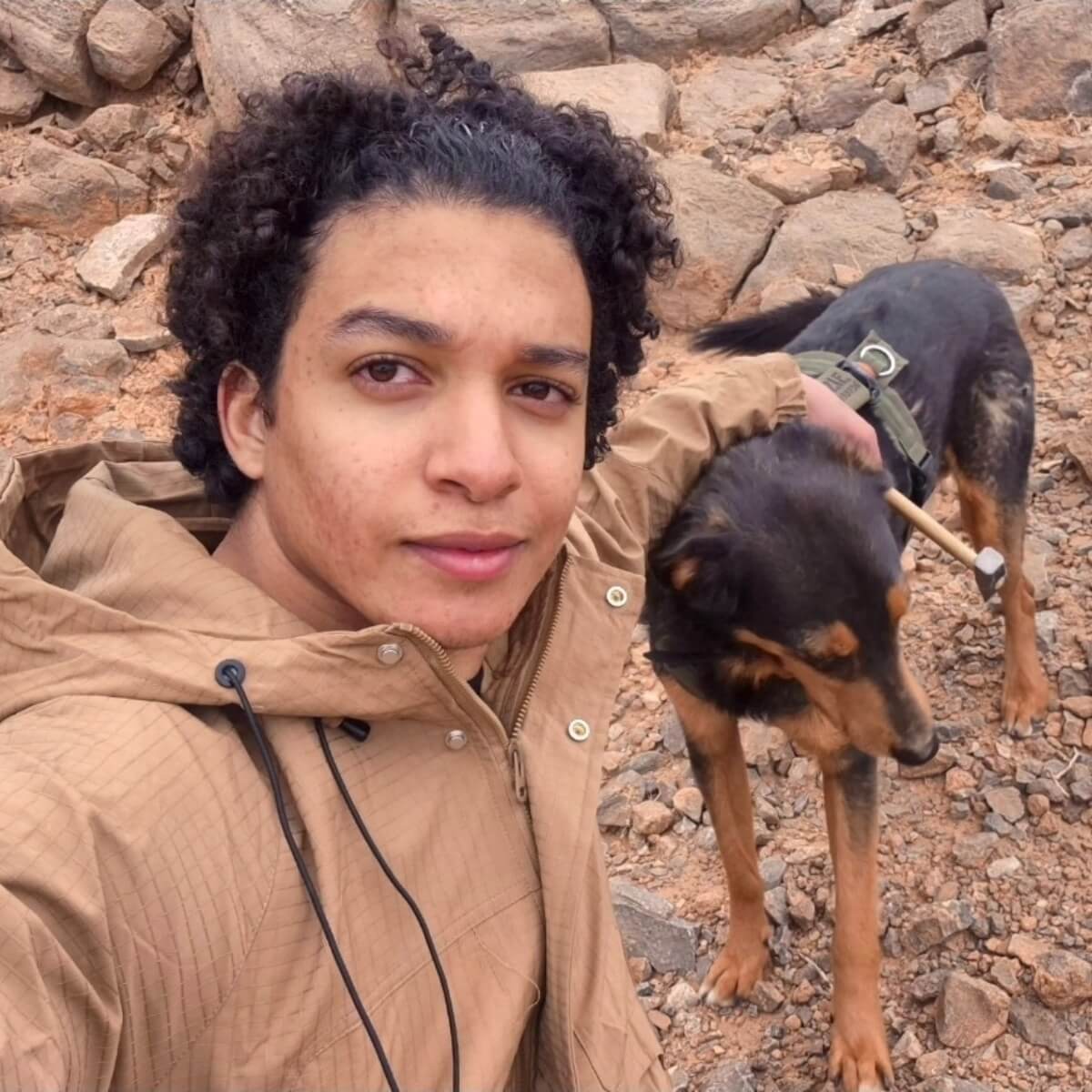
Hi, I’m Moha.
Born and raised in the desert, I help people discover the Sahara the right way. I can help you plan your dream desert trip.
Why it’s important to choose your desert camp carefully
Staying in a desert camp is often the highlight of a trip to Morocco—or the letdown. Get it wrong and you’re stuck with noise, crowds, and a view of the car park. Get it right and you get real dunes, real quiet, and a night you’ll remember for years. The difference usually comes down to a few things: where the camp actually is, how it’s run, and what kind of experience it’s built for. In the next sections I’ll walk you through what to look for so you can choose with confidence.
What to look for when you choose
These are the things I pay attention to after years of staying in desert camps: location, size and crowds, authenticity and comfort, what you get for your money, and how much to trust reviews. I’ll go through each one.
1. Location:
Where the camp sits can make or break the experience. I look at two things: how close you are to the dunes, and how far you are from the road and other camps.
How close to the dunes Camps aren’t allowed inside the dunes themselves—that’s regulated. So they’re all on the edge, but the distance still varies a lot. Some are only a few steps from the sand: you walk out and you’re in the dunes. Others are hundreds of metres away—you see the dunes in the distance but you’re on flat ground, and getting there means a real walk or a ride. For a real “dunes” feeling, look for a camp that’s as close as the rules allow: a few steps, not hundreds of metres.
How far from the road and other camps If you want to stay close to the dunes, you’ll often end up near the main tracks—and that’s where most camps are. They sit along the same access routes, one after another, so you’re close to the sand but also close to the road and to other camps. That means a lot of traffic, quad bikes, music and noise from nearby camps. For most people, that’s not what they came to the desert for. They’re looking for calm: quiet, space, and a real sense of being away from it all. So it’s worth asking how far a camp is from the strip and from other camps—and whether you’re getting that kind of night or a busy one.
To give you a clear Idea, Look at this satellite Image:
2. Size and crowds
Big camps have dozens of tents and can feel like a desert resort: lots of people at dinner, queues for the toilet, and a busy, social vibe. Small camps might have only a handful of tents, so you get more space, more attention from the staff, and a much quieter night. Size also affects who’s there: big camps often host bus groups and tour operators—one coach in, one coach out—so you share the place with a crowd. Smaller setups tend to attract independent travellers and small groups, so the atmosphere is calmer and more intimate. If you want peace and a real “middle of nowhere” feeling, look at how many tents or guests the camp takes. A few tents usually means a different kind of night than thirty or forty.
3. Authenticity and comfort
To be honest with you, staying in a desert camp is not an authentic experience—it’s a tourist product. Real nomads don’t sleep in fixed luxury camps with a camel ride. But you can still choose how real it feels. A lot of camps use big PVC tents: white, plastic, and that’s the majority. Personally, I don’t like them—it feels like a hotel room dropped in the sand, and you lose the desert vibe. I prefer camps that combine comfort and authenticity: proper beds and a decent bathroom, but with traditional materials, a simpler feel, and the sense that you’re still in a camp, not a resort. You get a good night’s sleep but a good and differnt Experience. So when you look, make sure to keep that in mind and look for that balance—it’s rare but exists.If you’re looking for something more authentic than staying in a luxury desert camp, have a look at my Walking with Nomads and wild camping experience Here
4. Budget and what’s included
A night in the desert is often a once-in-a-lifetime experience. I’d say don’t try to save on this one. Paying a bit more typically means cleaner tents and bathrooms, staff who have time for you, and a night that feels taken care of. So think of it as an investment in how the experience feels, not just where you sleep.Cheap camps often work in two ways. First, the trick: they advertise a very low price for the stay, then charge a lot for dinner, pickup, camel ride, water—everything extra. By the end you’ve paid as much as a clearer, mid-range offer, but with no guarantee on quality. Second, the low price fills the camp. Lots of people, few staff, and the service suffers: slow or messy meals, no one to ask, a factory feeling. So the “bargain” can mean a worse experience and no real saving.That’s why it’s important to see the full picture. Ask what’s included in the price—dinner, breakfast, transfer, camel ride, drinks—and what isn’t. If the base price is very low, expect add-ons. Compare total cost and what you get: location, cleanliness, and treatment. For a once-in-a-lifetime night, choosing a camp that’s honest about what’s included and that doesn’t rely on crowding and extras usually pays off.
5. Reviews (why they’re not always right)
Reviews can help, but they’re not the full picture. Someone might give a camp five stars because they had a good time—but they might not know they could have done better. If it’s your first night in the desert, you have nothing to compare it to: a camp on the strip with music from next door can still feel “amazing” if you didn’t know to ask about location or crowds. So a lot of positive reviews can mean “we had fun,” not “this is one of the best camps.” The person writing might not care about the same things you do, or they might not know what to look for. Use reviews for red flags—repeated complaints about cleanliness, noise, or bad food—and for a general sense of the place. But don’t let stars replace your own questions. Ask about location, size, what’s included, and how far from other camps. Combine that with reviews and you’ll get a much clearer idea.
What I Recommend:
I’ll save you a lot of time and give you the camp I chose after years of experience—or, if you prefer, you can do your own research and apply the criteria to find your ideal camp. Of all the camps I’ve tried, the one that best matches every criterion I care about—and the camp I can trust and take my clients to every time—is Kamkam Dunes. Here’s why:
1.Location: Kamkam Dunes sits in a more hidden part of Erg Chebbi, away from the main strip and other camps. You get quiet and space, and the dunes are right there—a short walk away, not hundreds of metres. So it ticks both: close to the dunes and far from the noise. 2.Size and crowds: The camp has only twelve Haimas (tents), so it stays small. No bus groups, no packed dinners—just a calm, intimate atmosphere and staff who have time for you. 3.Authenticity and comfort: One of the few camps without PVC tents, traditional Berber Haimas made from dromedary wool by local nomads. You get the desert feel without the hotel-in-the-sand look. from inside beautiful minimalist Interior with proper beds, private bathroom with hot water, and heating when it’s cold—comfort and authenticity together. 4.Price and inclusions: all that for 135€ + Free 4×4 transfer to the camp When booking with us (instead of 160€ on booking platforms) for a double tent, and that includes dinner, breakfast, Local live music Performance around the campfire. For what you get—location, comfort, and a real desert night—the price is more than fair.You can book the camp directly through Us and avoid 20% commission of booking platform




 Sahara Aventuras
 Booking.com
 Bleu Pillow
